

Understanding Regenerative Medicine
Exploring the Science. Understanding Your Options. Making Informed Decisions.
A personalized, physician-led approach to understanding regenerative medicine and your health.
Medicine continues to evolve as researchers explore how cells, tissues and biological processes contribute to health, injury and recovery.
Regenerative medicine is an area of medical research and clinical practice concerned with understanding these processes and exploring ways to address damaged or impaired tissues.
At Ontario Regenerative Medicine (ORM), we believe patients deserve clear, balanced information about emerging medical approaches, their potential applications, limitations and current regulatory status.
Our approach begins with understanding your individual health concerns, reviewing the available clinical information and discussing appropriate options.
Innovation begins with science. Good healthcare begins with understanding the patient.
What Is Regenerative Medicine?
Regenerative medicine is a broad field of medicine and scientific research concerned with the repair, replacement or regeneration of cells and tissues.
It encompasses different areas of investigation, including cell biology, tissue engineering, biomaterials and biological processes involved in tissue maintenance and repair.
Researchers continue to study how these processes might be used in different medical settings.
However, it is important to distinguish between:
- Established medical practices
- Medical devices and procedures authorized for specific uses
- Treatments being evaluated through clinical research
- Experimental or unproven interventions
Not every approach described as regenerative medicine has demonstrated clinical benefits, and not every emerging technology is authorized for routine patient treatment in Canada.
Understanding these distinctions is an important part of making informed healthcare decisions.
The Body’s Natural Repair Processes
The human body has complex biological systems involved in maintaining and repairing tissues.
These processes involve interactions between cells, proteins, signalling molecules, blood vessels and the immune system.
For example:
Platelets participate in blood clotting and normal wound-healing processes.
Growth factors are signalling proteins involved in communication between cells.
Stem cells are cells with the capacity for self-renewal and, under appropriate conditions, differentiation into specialized cell types.
The extracellular matrix provides structural support and participates in interactions between cells and their surrounding tissues.
Scientists study these processes to better understand tissue health, injury and recovery.
Importantly, understanding a biological mechanism does not automatically establish that a particular treatment can reproduce that mechanism or deliver a meaningful clinical benefit.
Areas of Regenerative Medicine Research
Regenerative medicine includes several distinct scientific and clinical areas.

Platelet-Rich Plasma (PRP)
Platelet-rich plasma is a preparation derived from a patient’s own blood.
Blood is collected and processed to concentrate platelets within a plasma preparation.
PRP has been investigated and used in different medical settings, including selected musculoskeletal procedures.
The preparation method, clinical circumstances and intended use are important considerations.
PRP is not appropriate for every condition or patient, and its use requires appropriate professional and regulatory considerations.

Stem Cell Research
Stem cells are studied because of their capacity for self-renewal and differentiation.
Stem cell research has contributed to scientific understanding of tissue development, cell function and certain medical applications.
However, stem cell treatments differ considerably in their biological characteristics, evidence base and regulatory status.
Ontario Regenerative Medicine does not currently offer autologous stem cell therapy.
Patients interested in learning more about this field can explore its scientific background and current status in Canada through our educational resources.

Peptides & Cellular Signalling
Peptides are short chains of amino acids.
Many naturally occurring peptides participate in biological communication and regulation throughout the body.
Peptide biology is an important area of scientific and medical research.
However, research involving a peptide does not establish that a particular peptide product is authorized, safe or effective for clinical use.
Patients should discuss questions about specific medical treatments privately with an appropriate healthcare professional.

Regenerative Medicine & Musculoskeletal Health
Musculoskeletal health involves bones, joints, cartilage, tendons, ligaments and surrounding muscles.
These tissues have different biological characteristics and responses to injury or disease.
Understanding the nature of a musculoskeletal concern is important before considering any procedure.
Depending on the circumstances, an assessment may involve:
- Reviewing symptoms and medical history
- Considering previous injuries or diagnoses
- Reviewing available imaging or investigations
- Evaluating the impact on everyday activities
- Discussing relevant treatment options
- Considering whether specialist assessment is appropriate
At ORM, musculoskeletal concerns can be explored through our dedicated Joint Health services.

What About Osteoarthritis?
Osteoarthritis is a joint condition involving changes in joint tissues, including cartilage and surrounding structures.
Symptoms and clinical findings vary between individuals.
Some people experience discomfort or stiffness, while others notice changes in their ability to perform particular activities.
A diagnosis of osteoarthritis does not automatically mean that every patient requires the same treatment.
An appropriate clinical assessment can help clarify the condition and identify relevant management options.

Why Choose Ontario Regenerative Medicine?
Physician-Led Expertise
Ontario Regenerative Medicine brings together medical expertise and an individualized approach to patient assessment.
Our physicians consider relevant medical information when discussing potential options.
Individualized Assessment
No two patients have exactly the same medical history, concerns or priorities.
We believe care should begin with understanding those differences.
Informed Treatment Decisions
We place importance on helping patients understand the rationale, potential risks, limitations and alternatives associated with medical decisions.
A Commitment to Responsible Innovation
Medical research continues to evolve.
We believe emerging approaches should be evaluated carefully, with attention to clinical evidence, professional standards and Canadian regulatory requirements.
Patient-Centered Communication
Patients deserve an opportunity to ask questions, understand their health concerns and participate in decisions about their care.

Dr. Scott Barr
Dr. Scott Barr is a Royal College-certified plastic surgeon with experience in individualized medical care and an interest in regenerative medicine.
His approach emphasizes understanding patient concerns and reviewing relevant medical information before discussing appropriate care options.
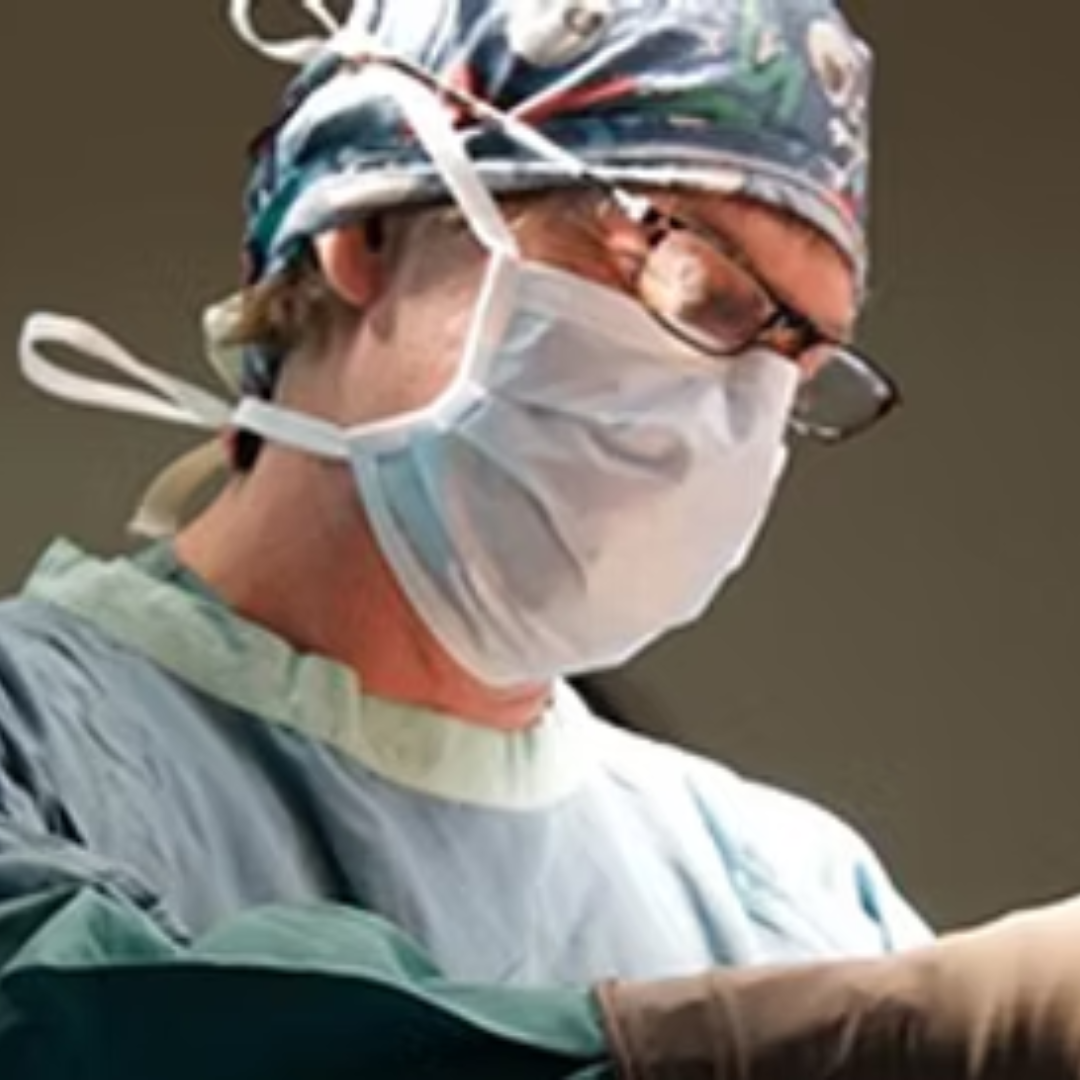
Dr. Eric Robinson
Dr. Eric Robinson is an orthopaedic surgeon whose clinical expertise includes the assessment and management of musculoskeletal conditions.
His orthopaedic background contributes to ORM’s approach to joint health and physician-directed treatment discussions.
What to Expect at ORM
1. Tell Us About Your Concerns
Your consultation begins with understanding your symptoms, questions and health priorities.
2. Review Your Medical History
Your healthcare provider considers relevant medical information, previous diagnoses, treatments and investigations.
3. Identify the Clinical Questions
The goal is to clarify what needs to be understood before determining appropriate next steps.
4. Consider Further Assessment
Additional investigations or specialist input may be appropriate depending on your circumstances.
5. Discuss Your Options
Your healthcare provider can explain relevant options, including potential benefits, risks, alternatives and limitations.
6. Determine Your Next Steps
Any recommendations are based on your individual clinical circumstances.
Frequently Asked Questions
What does regenerative medicine mean?
Regenerative medicine is a broad field of scientific research and medical practice concerned with the repair, replacement or regeneration of cells and tissues.
Does regenerative medicine mean the body can regrow damaged cartilage?
No such conclusion should be assumed.
The ability of a particular intervention to produce cartilage regeneration or another clinical outcome depends on the intervention and supporting evidence.
Is PRP a type of regenerative medicine?
PRP is often discussed within the broader field of regenerative medicine because it involves a preparation derived from the patient’s blood.
Its clinical use requires appropriate assessment and regulatory considerations.
Does ORM offer stem cell therapy?
ORM does not currently offer autologous stem cell therapy.
Are all regenerative treatments approved in Canada?
No.
Different products, devices and procedures have different regulatory requirements and statuses.
Patients should not assume that a treatment is authorized simply because it is described as regenerative.
Can regenerative medicine replace surgery?
It should not be assumed that an approach described as regenerative medicine can replace a recommended surgical procedure.
Treatment decisions depend on the specific condition and clinical circumstances.
How do I know which treatment is appropriate?
An individualized medical assessment is the appropriate starting point.
Better Health Decisions Begin With Better Information
Regenerative medicine is an evolving field that continues to generate scientific interest.
Understanding the research, available clinical evidence and regulatory considerations is an important part of evaluating new medical approaches.
At Ontario Regenerative Medicine, our focus is on helping patients understand their health concerns and discuss appropriate options with qualified healthcare professionals.
Understand the science. Explore your options. Make informed decisions.
Important Information
This page provides general educational information about regenerative medicine and related scientific concepts.
The inclusion of a treatment or technology for educational purposes does not mean that it is offered by Ontario Regenerative Medicine, authorized for all uses in Canada or appropriate for a particular patient.
Research findings and proposed biological mechanisms should not be interpreted as established clinical benefits.
Medical decisions require individualized assessment and discussion with an appropriate healthcare professional.


